


What basic types of power lines can be distinguished?
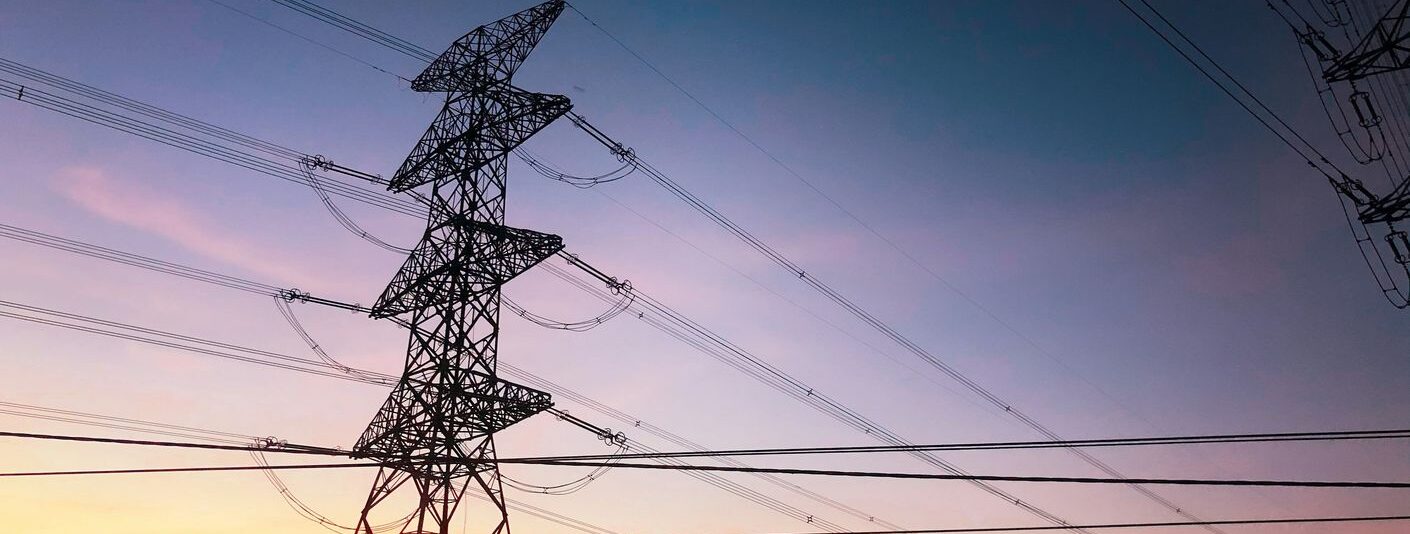
- Power lines are primarily classified by their nominal voltage level. Low-voltage lines are used for the direct supply of end users and represent the final stage of energy distribution. Medium-voltage lines connect transformer substations and are responsible for distributing electricity at local and regional levels. High-voltage and extra-high-voltage lines serve a transmission function, enabling the transport of large amounts of electricity over long distances between power plants and the main supply points of the system.
- Another important classification criterion is the method of installation. Overhead lines are constructed using conductors suspended on poles or towers and are the most common solution outside densely built-up areas. Their advantage lies in simpler operation and easier access for maintenance work. Underground cable lines are installed below ground and are primarily used where spatial or planning conditions do not allow for overhead lines, for example in city centers or protected areas. In practice, linear investments often combine both solutions, adapting the technology to specific sections of the route.
What technical requirements apply to the construction of power lines?
The construction of power lines must comply with requirements resulting from technical standards and regulations defining safe operation conditions. At the design stage, the following are taken into account:
- voltage level,
- expected loads,
- terrain conditions,
- impact of weather factors.
Support structures and foundations are designed to ensure stability and resistance to long-term exposure to wind, ice, and temperature changes. Equally important is the selection of conductors and insulators, which must ensure safe operation of the line throughout its service life.
Special importance is attached to maintaining appropriate distances from buildings, public roads, railway lines, and other infrastructure elements. Minimum clearances of conductors from the ground and structures result from technical construction regulations and industry standards and are intended to protect people in the vicinity of the lines. These parameters are defined in the design documentation and are verified both during the permitting stage and throughout construction.
What legal regulations and formal procedures govern the construction of power lines?
The implementation of a power line project requires going through an extensive administrative procedure. The basis is compliance of the investment with the local spatial development plan, which defines permissible land use. If such a plan is not in place, it is necessary to obtain a public purpose investment location decision. Additionally, for projects that may have an environmental impact, an environmental impact assessment procedure is carried out and concluded with the issuance of an appropriate decision.
An important element of the process is also the relationship with property owners whose land the line will cross. In most cases, the investor seeks to establish a transmission easement, which defines the scope of land use and rules for access to the infrastructure. During project preparation, arrangements are also made with local authorities and operators of other technical networks. This allows coordination of the route and reduces the risk of conflicts with existing infrastructure.
What is a right-of-way and what is its significance?
The right-of-way is an area designated along a power line, necessary for its safe operation, maintenance, and potential modernization. Its width depends on the type of line and voltage level and is defined in design documentation and administrative decisions. It includes both the location of poles or underground cables and the space required to maintain safety clearances.
Within the right-of-way, restrictions apply to land use, including the construction of buildings or planting tall vegetation. These limitations are intended to ensure user safety and enable maintenance work without interfering with adjacent land.
For the investor, the right-of-way provides the basis for proper network maintenance, while for property owners it means the need to comply with specific land-use rules, usually compensated by appropriate payments.
The construction of power lines requires combining technical solutions with the requirements of construction, spatial planning, and environmental law, as well as properly regulating the right-of-way and relationships with property owners. Consistent investment planning, compliance with applicable standards, and efficient administrative procedures help reduce formal and organizational risks and ensure safe infrastructure operation.
In the case of linear infrastructure projects, support from experienced Nomad Grid specialists facilitates the preparation and implementation of investments in compliance with current regulations.
Frequently asked questions (FAQ)
1. What basic types of power lines can be distinguished?
Power lines are classified by voltage level into low, medium, high, and extra-high voltage. They also differ by installation method. They can be overhead or underground, depending on terrain and planning conditions.
2. What is the difference between overhead and cable lines?
Overhead lines are carried on poles or towers and provide easier access for maintenance. Cable lines are laid underground, most often in urban or protected areas where overhead construction is not feasible.
3. What technical requirements must be met when constructing a power line?
The design must take into account the voltage level, expected loads, and terrain and weather conditions. Support structures, conductors, and insulators should ensure safe and stable operation throughout the service life.
4. Are there minimum distances from buildings and roads?
Yes. Technical construction regulations and industry standards define minimum clearances of conductors from the ground, buildings, and other infrastructure. These are intended to ensure the safety of people and nearby assets.
5. What administrative procedures precede the construction of a power line?
The project must comply with the local spatial development plan or require obtaining a public purpose location decision. In some cases, an environmental impact assessment is also required, as well as a construction permit.
6. How are relations with property owners regulated?
In most cases, a transmission easement is established, defining the scope of land use by the energy company. The property owner is entitled to compensation.
7. What is a right-of-way and what is its significance?
It is an area designated along the line, necessary for its safe operation and maintenance. Within this area, land-use restrictions apply to ensure safety and access to infrastructure.
read next
Never Stop
