


What are the components of the power system?
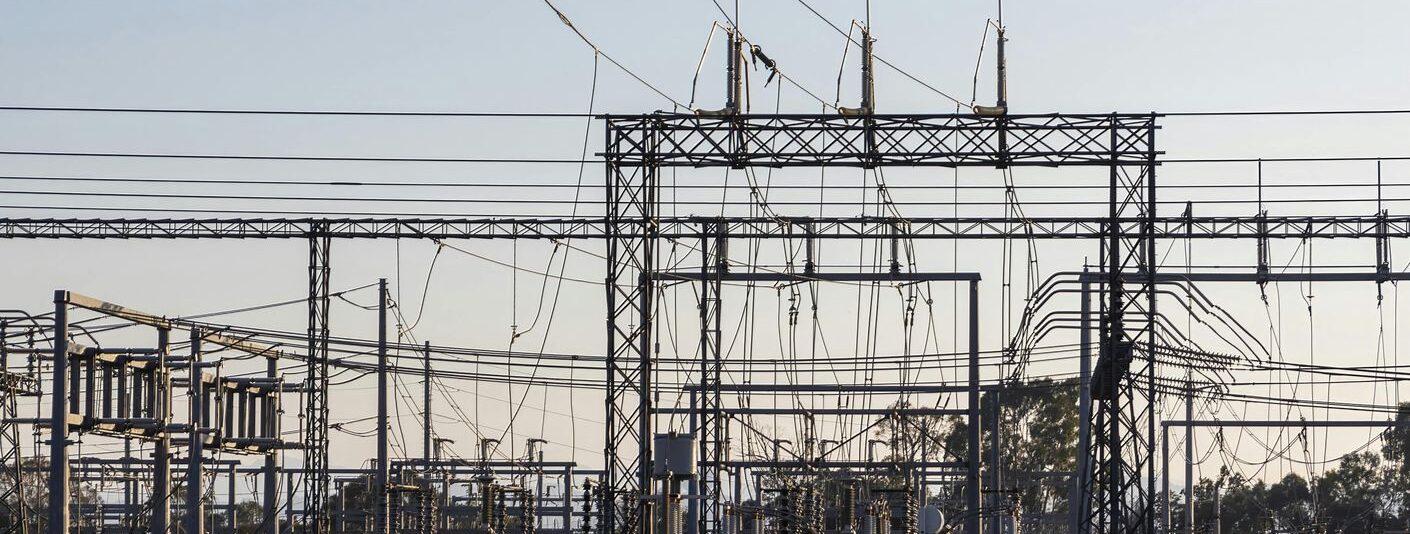
The power system consists of four main elements: generation, transmission, distribution, and end users. At the generation stage, electricity is produced in conventional power plants as well as in renewable installations such as wind farms and photovoltaic systems. It is then transmitted over long distances through high-voltage networks and ultimately delivered to distribution networks, which supply it directly to end users.
The distinction between transmission and distribution networks is important both technically and legally. The transmission network is responsible for transporting electricity at the national level and is centrally managed, while distribution networks operate locally and deliver electricity to consumers. Each of these elements is subject to separate operating principles and regulations, which define, among other things, operator responsibilities and connection rules for new entities.
The efficiency of the entire system depends on the quality and reliability of technical infrastructure. Transmission lines, transformer substations, and control systems must be properly maintained to ensure stable energy supply and minimize the risk of failures. In this context, modernization investments are becoming increasingly important, as they allow the network to adapt to growing demand and the changing structure of energy sources.
Who manages the power system in Poland?
The operation of the national power system is overseen by the transmission system operator, which in Poland is Polskie Sieci Elektroenergetyczne S.A. Its core responsibilities include managing the operation of the transmission network, ensuring security of supply, and maintaining the balance between electricity generation and consumption at the national level. The operator acts in accordance with energy law regulations.
At the same time, distribution system operators are responsible for local networks and the direct supply of electricity to consumers. Their responsibilities include:
- maintaining infrastructure,
- connecting new consumers and generators,
- ensuring appropriate electricity quality parameters.
In practice, this requires close cooperation with the transmission system operator as well as with energy market participants, including trading companies and generators. The entire system operates within a strictly defined legal framework that sets out the rules of the energy market. Oversight is provided by the President of the Energy Regulatory Office, who supervises operators, approves tariffs, and ensures a balance between business interests and consumer protection.
What does balancing the power system involve?
Balancing the power system involves maintaining a constant equilibrium between the amount of electricity generated and the amount consumed by users. This process takes place in real time and is one of the most important responsibilities of the transmission system operator. In practice, this means continuously responding to changes in demand and generation availability while maintaining required electricity quality parameters.
To achieve this, regulatory mechanisms are used, including capacity reserves maintained by selected generating units. These allow for rapid increases or decreases in electricity production depending on system conditions. Market-based balancing mechanisms also play an important role, enabling cost optimization and involving various market participants in stabilizing system operations.
The system must also be prepared for extraordinary situations such as sudden failures of generating units, infrastructure damage, or rapid weather changes affecting renewable energy production. In such cases, the operator takes intervention measures, which may include activating additional reserves, limiting consumption for selected users, or importing electricity from abroad.
Effective balancing relies on accurate demand forecasting and continuous monitoring of system parameters. Advanced IT systems and analytical models are used for this purpose, supporting operational decision-making and reducing the risk of supply disruptions.
What challenges does the power system in Poland face?
The Polish power system is currently facing a number of challenges related to growing energy demand and the ongoing electrification of the economy. The development of new technologies increases network loads, which requires its expansion and adaptation to new operating conditions.
A key issue is the modernization of transmission and distribution infrastructure, including the gradual replacement of overhead lines with underground cable solutions. This process involves not only technical challenges but also the need to address legal issues such as access to land, establishment of transmission easements, and obtaining administrative decisions. Increasing importance is also placed on the integration of new technologies and the digitalization of grid management. Distributed energy sources, energy storage systems, and demand-side management require advanced IT tools and new operational models. From a legal perspective, this means adapting regulations to the changing market structure and ensuring appropriate frameworks for investment.
It is also essential to consider system security, both physical and cyber. Power infrastructure is part of critical infrastructure, which means it must be protected against failures, sabotage, and cyber threats. Ensuring system resilience is becoming one of the key responsibilities of operators and public authorities.
The power system in Poland operates as a complex mechanism requiring constant control, coordination, and precise balancing of all its elements. Its stability depends on the efficiency of infrastructure, the effectiveness of operators, and well-designed regulatory mechanisms that enable responses to changing market and technical conditions. The importance of grid modernization and digital solutions will continue to grow in the coming years, affecting both the security of electricity supply and the efficiency of the entire market. In this context, ensuring transparent and stable legal frameworks that support necessary investments remains crucial.
Energy market participants and end users increasingly rely on specialized advisory services. Nomad Grid experts offer solutions that support system stability, improve energy efficiency, and help adapt operations to current market and regulatory conditions.
Frequently asked questions (FAQ)
1. What is a power system and what functions does it perform?
A power system is an integrated system of equipment and institutions responsible for the generation, transmission, and distribution of electricity to consumers. Its primary task is to ensure continuity of energy supply while maintaining appropriate technical parameters, such as voltage and frequency.
2. What are the main components of the power system?
The system consists of four main parts: generation sources (e.g. power plants), the transmission network, the distribution network, and end users. Each of these elements performs a separate function and is subject to specific legal regulations.
3. Who is responsible for managing the power system in Poland?
The operation of the national transmission system is the responsibility of Polskie Sieci Elektroenergetyczne S.A., the transmission system operator. Local networks, on the other hand, are managed by distribution system operators. Market oversight is exercised by the President of the Energy Regulatory Office.
4. What does balancing the power system involve?
Balancing involves maintaining equilibrium between electricity generation and consumption in real time. For this purpose, the transmission system operator uses, among other things, power reserves and market mechanisms to respond to changes in demand.
5. Why is it not possible to store electricity on a large scale and why does it matter?
The possibilities for storing electricity are still limited both technologically and economically. This means that generation must be continuously adjusted to demand, increasing the importance of efficient system management and accurate forecasting.
6. What challenges does the Polish power system face?
The most important challenges include infrastructure modernization, growing demand for electricity, and the integration of renewable energy sources. Legal issues related to investments and ensuring infrastructure security are also significant.
7. What role does the law play in the operation of the power system?
Legal regulations define the rules governing the operation of system operators, the conditions for connection to the network, and the functioning of the energy market. They also provide mechanisms for supervision and consumer protection, contributing to the stability of the entire system.
read next
Never Stop
