


Excessive reactive power, whether inductive or capacitive, in a PV plant can be genuinely costly. Grid operators require the power factor (tg φ) to stay within an agreed threshold. Exceed it, and the DSO will charge extra fees, regardless of how much active energy the plant actually produced. That is exactly why the Nomad Electric Services O&M team is built to respond before the problem reaches the invoice. Reactive power management is a core part of our day-to-day service work, not an add-on applied only once an issue appears.
It’s worth remembering why grid operators care about this in the first place. Reactive power itself doesn’t reach the end user as useful energy – it doesn’t power anything and doesn’t generate revenue from active energy sold, yet it still occupies capacity on lines, transformers and other grid assets. From the operator’s perspective, it’s a cost that someone has to absorb, and the regulations are designed to place that cost back on the source that generates the reactive power in the first place.
Inverters, transformers and long cable runs are a constant source of reactive power in every PV plant – this isn’t a fault or an unusual situation, it’s simply a natural consequence of how this equipment operates. The issue is that without continuous oversight, reactive power builds up quietly. Nobody notices it by eye but it becomes visible on the invoice from the grid operator.
The scale of this cost can be surprisingly large. A lack of proper compensation can cost anywhere from a few thousand to hundreds of thousands of euros a year, depending on the installed capacity of the plant. Crucially, no fault or breakdown is required to trigger it, an incorrectly selected compensation device or outdated inverter settings is enough to bring a financial penalty in the very next billing period. It is a cost that can be predicted and avoided, but only if someone is watching it systematically. It brings together several elements working together:
🔔 Round-the-clock monitoring of cos φ and tg φ through Nomad NX SCADA, with automatic alerts, so any deviation from the required parameters is visible immediately rather than only on the invoice.
💻 Remote inverter control – using night Q mode, Q(U) curves, and dynamic reactive power adjustment tailored to real-time grid conditions.
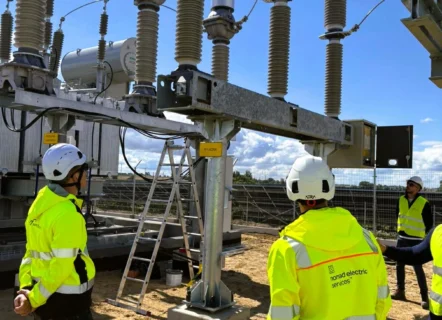
👷♂️ Servicing and inspection of compensation equipment, so its technical condition matches the plant’s actual needs.
⚙️ Keeping plant settings fully aligned with grid operator requirements (DSO / NC RfG).
📈 Analysis of distribution invoices and energy audits, which help catch irregularities before they turn into a costly problem.
Proper reactive power management means stable, reliable operation of the whole installation, effective reduction of operating costs and less strain on equipment – inverters, transformers and the rest of the infrastructure – which, over time, also supports their longevity.
For PV plant owners and developers, the takeaway is simple: reactive power shouldn’t be something you deal with only after an unexpectedly high invoice arrives. It deserves continuous attention from the very first day of operation.
read next


Never Stop
