


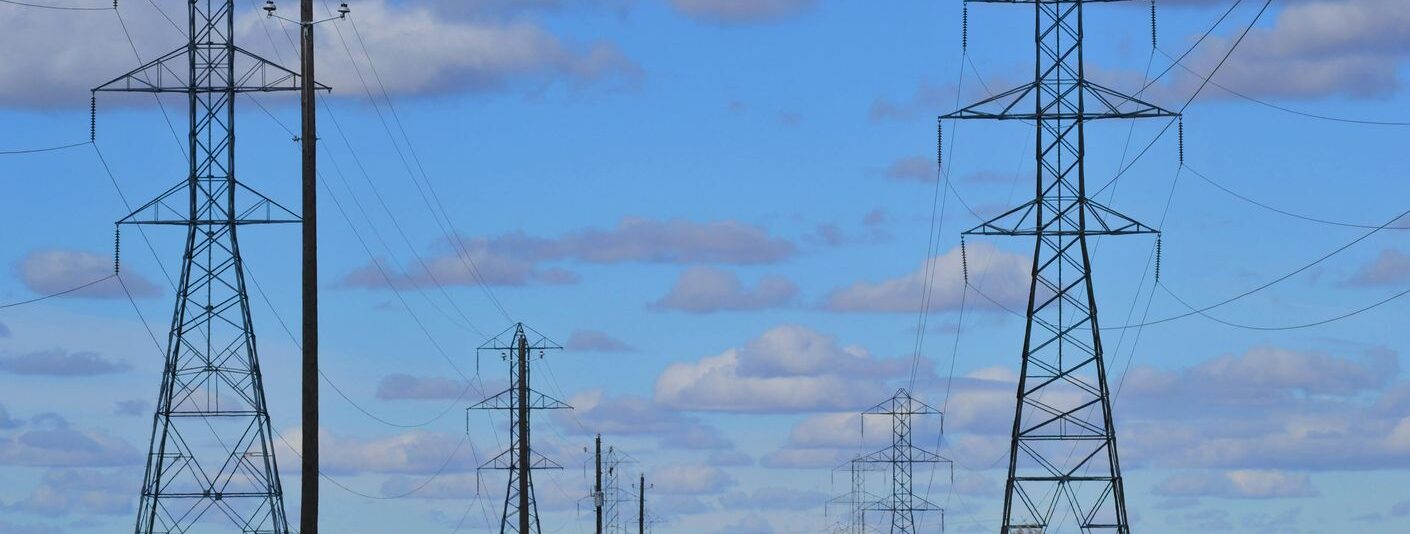
What does energy infrastructure maintenance involve?
Energy infrastructure maintenance can be divided into three basic areas: preventive, predictive, and reactive activities.
- Preventive activities include regular inspections and maintenance aimed at preventing failures by keeping equipment in proper technical condition.
- Predictive maintenance is based on the analysis of data and measurement results, allowing potential failures to be predicted before they occur.
- Reactive activities are undertaken in emergency situations when failures occur that require immediate intervention.
The scope of activities carried out as part of maintenance is broad and includes, among others, technical inspections, visual inspections, measurements of equipment operating parameters, and protection system testing. This applies to both power lines and transformer stations or switchgear. An important role is also played by maintaining technical documentation and work schedules, which allow for the systematic planning of activities and the demonstration of due diligence in the event of potential disputes or inspections.
How does network servicing and operation look in practice?
The servicing of power infrastructure primarily requires proper planning. Work schedules are established taking into account the specifics of a given facility, its load, and requirements resulting from regulations and technical documentation.
In practice, this means the need to coordinate many activities simultaneously in such a way as not to disrupt the continuity of power supply while at the same time ensuring the performance of all necessary service activities. Increasingly, IT tools supporting the management of operational activities are being used for this purpose.
The execution of field work is based on the cooperation of specialized technical teams. It includes both routine inspections and more advanced activities, such as repairs or modernization of network components. An important element is also rapid response to failures and efficient incident management. In such situations, response time is important, but so is the proper organization of activities and access to up-to-date technical data.
The importance of safety procedures regulating the performance of work on power equipment cannot be overlooked. Legal regulations and industry standards impose an obligation to apply specific operational standards aimed at protecting the life and health of employees, as well as minimizing the risk of infrastructure damage. Compliance with these standards forms the basis of responsible network operation.
What tools and technologies support network maintenance?
Modern power infrastructure maintenance increasingly relies on the use of advanced technological tools. One of the fundamental elements is monitoring systems, which enable the ongoing collection of data on equipment operation and the rapid detection of irregularities. Thanks to them, it is possible to make decisions based on actual network operating parameters rather than solely on periodic inspections. SCADA systems play a particularly important role, allowing remote supervision and control of infrastructure in real time. They enable monitoring of equipment condition, as well as rapid response to changes in operating parameters or the occurrence of failures. In practice, this shortens the time needed to take action and limits the scale of potential disruptions.
These solutions are complemented by diagnostic tools and analytical systems that support the planning of operational activities. Data analysis makes it possible to identify recurring problems and optimize inspection schedules. As a result, more efficient use of resources and increased reliability of the entire infrastructure become possible.
What are the biggest challenges in infrastructure maintenance?
The maintenance of power infrastructure is associated with a number of challenges that are both technical and organizational in nature. One of the most serious issues is ageing infrastructure, which was often not designed with the current level of load or integration with modern control systems in mind. In practice, this means the need to carry out intensive modernization activities while simultaneously ensuring the continuous operation of facilities.
Cost optimization is also an important issue. Entities responsible for network operation must balance financial expenditures on maintenance with requirements related to the reliability and security of energy supply. Excessive budget constraints may lead to the postponement of necessary work, which in the longer term increases the risk of serious failures and legal liability.
Another challenge is the availability of qualified personnel. The operation of modern power systems requires specialized knowledge and experience that cannot be quickly replaced. At the same time, technological development necessitates the continuous improvement of the competencies of technical teams. The need to adapt infrastructure to new technological solutions and changing legal regulations is also significant.
The maintenance of power infrastructure is a continuous process that requires a combination of planning, technical knowledge, and appropriate tools supporting operational management. Moving away from exclusively reactive activities toward preventive and predictive approaches based on data analysis and systematic monitoring is becoming increasingly important. Digital solutions are becoming the foundation of efficient network management, enabling better control over its condition and more effective planning of activities.
In this context, support from specialized entities such as Nomad Grid, covering both the organization of operational activities and their execution in the field, can significantly facilitate ensuring the reliability and security of power supply systems.
Frequently asked questions (FAQ)
1. What does the maintenance of power infrastructure involve?
The maintenance of power infrastructure includes activities related to monitoring, diagnostics, maintenance, and repair of equipment responsible for energy supply. The purpose of these activities is to ensure the continuous operation of the system, reduce the risk of failures, and maintain the infrastructure in proper technical condition.
2. What are the basic models of energy infrastructure maintenance?
In practice, three main approaches are used: preventive, predictive, and reactive maintenance. The first is based on regular inspections and maintenance, the second uses data analysis to predict failures, and the third involves repairing failures after they occur.
3. What does energy infrastructure servicing look like in practice?
Servicing includes planning work schedules, carrying out technical inspections, repairs, modernization, and responding to failures. These activities must be coordinated in such a way as to ensure work safety while at the same time minimizing the risk of interruptions in energy supply.
4. What technologies support power network maintenance?
Monitoring and remote supervision systems, such as SCADA, are playing an increasingly important role, enabling continuous monitoring of equipment operating parameters. Diagnostic tools and analytical systems supporting the planning of operational activities and faster detection of irregularities are also used.
5. Why is technical documentation important in infrastructure maintenance?
Technical documentation makes it possible to plan inspections, monitor the history of service work, and manage equipment operation in a structured manner. It also serves as evidence in the event of inspections, disputes, or assessments of whether activities have been carried out correctly.
6. What are the biggest challenges related to the maintenance of power infrastructure?
The most important challenges include ageing infrastructure, the need for network modernization, optimization of maintenance costs, and a shortage of qualified specialists. An additional challenge is the integration of new technologies and the adaptation of processes to changing technical and regulatory requirements.
7. Why is the predictive approach becoming increasingly important?
The predictive approach makes it possible to detect potential problems before they lead to failures. Thanks to data analysis and continuous monitoring, it is possible to better plan service activities, reduce costly downtime, and increase infrastructure reliability.
read next
Never Stop
