


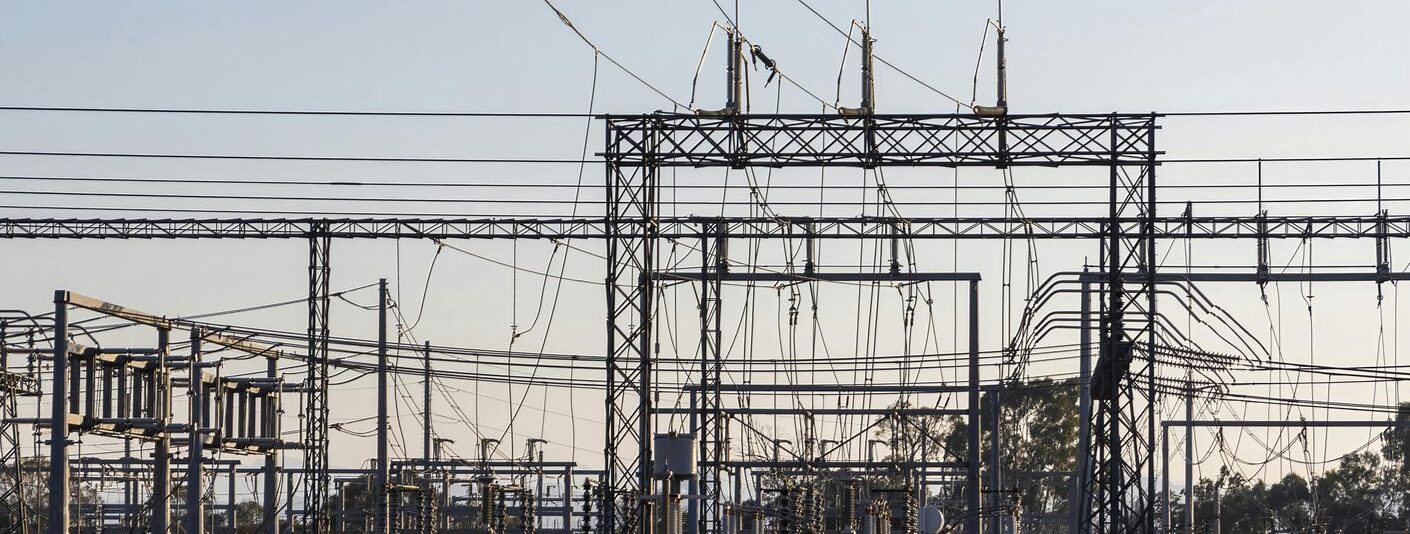
What is the digitalization of energy infrastructure?
Digitalization of energy infrastructure consists of using IT systems, measuring devices, and analytical tools to supervise the grid and assets. Data concerning the operating parameters of devices are collected, processed, and made available to people responsible for infrastructure operation. As a result, decisions can be made based on up-to-date information rather than solely on periodic inspections or reports of failures. This means a gradual shift from reactive management to a data-driven model.
Continuous monitoring makes it possible to identify deviations from correct operating parameters and observe changes that may indicate a deterioration in the condition of a device. The integration of operational, measurement, and analytical systems, in turn, makes it possible to combine information from different infrastructure components and assess their mutual impact. Access to real-time data is particularly important in the power system, where disturbances can quickly affect subsequent devices and processes. Information about the condition of assets allows operators to assess the situation more quickly and select appropriate operational or service actions.
What technologies are driving the digital transformation of the energy sector?
- One of the basic tools used for the digital management of infrastructure is SCADA systems. They enable remote monitoring of technological processes, data collection, and control of selected devices. Operators can observe infrastructure operating parameters and receive information about occurring irregularities.
- Solutions based on the Internet of Things (IoT) and intelligent measuring devices are also playing an increasingly important role. Sensors installed on infrastructure components can continuously record, among other things, temperature, load, voltage, or vibration levels. The collected information is sent to analytical systems, where it can be compared with historical data and limit values.
- These solutions are complemented by analytical platforms and tools for process automation. Data analysis makes it possible to identify trends, create operational reports, and assess the risk of failures occurring. Automation can, in turn, accelerate the performance of repetitive tasks, the generation of alerts, and the transmission of information to people responsible for infrastructure operation.
How does digitalization affect infrastructure management?
One of the most important changes is increased visibility into the operation of devices and grid parameters. Continuous access to data allows operators to identify deviations from correct values more quickly, locate sources of problems, and assess their potential consequences. This reduces dependence on periodic inspections and enables earlier action to be taken. Digital tools also affect the organization of service work. Analysis of the technical condition of devices makes it possible to plan some service activities based on the actual wear and operating parameters of assets. This allows the company to direct resources to where the risk of failure or deterioration in device performance is greatest.
The ability to combine current data with historical information is also important. This makes it possible to observe changes occurring over a longer period, compare device performance, and assess the effects of actions taken. In this way, data become the basis for decisions concerning repairs, modernization, and replacement of infrastructure components.
What benefits does digital management of energy assets bring?
The use of digital tools can improve the reliability and availability of infrastructure. Earlier detection of symptoms of improper device operation makes it possible to take action before a serious failure occurs. Reducing unplanned downtime is important both for the continuity of system operation and for the costs incurred by operators and companies.
Better planning of service work also makes it possible to use personnel, spare parts, and funds allocated to repairs more rationally. Instead of carrying out all activities according to the same schedule, a company can take into account the actual technical condition of individual devices and direct resources to areas requiring intervention.
The integration of data from multiple systems also provides a foundation for the development of flexible and intelligent energy grids. This is particularly important due to the growing number of distributed energy sources and the variability of operating conditions in the power system. Efficient information management makes it possible to better utilize existing infrastructure and prepare it to support new models of energy production and consumption.
Digitalization is changing the management of energy infrastructure, shifting the focus from responding to failures to continuous monitoring of asset condition, earlier detection of irregularities, and prediction of events that may disrupt system operation. Access to current and historical data makes it possible to better plan service work, reduce unplanned downtime, use resources more rationally, and make decisions based on the actual operating parameters of devices. Digital technologies support the reliability of the power system and improve the economic efficiency of asset management.
Solutions such as Nomad NX help integrate data from infrastructure, improve device monitoring, and provide the information needed to make operational decisions based on the current operating parameters of the system.
Frequently asked questions (FAQ)
1. What is the digitalization of energy infrastructure?
The digitalization of energy infrastructure is the use of IT systems, measurement devices, and analytical tools to monitor and manage the grid and energy equipment.
2. What technologies support the digitalization of the energy sector?
The most commonly used technologies include SCADA systems, Internet of Things (IoT) solutions, smart measurement devices, and platforms for analytics and process automation.
3. How does digitalization affect infrastructure management?
It provides ongoing access to data on the condition of equipment and the grid. It facilitates faster detection of irregularities and decision-making regarding operation and servicing.
4. Does digitalization help prevent failures?
Yes. Continuous monitoring of operating parameters makes it possible to detect symptoms of irregularities before they lead to a serious failure or unplanned downtime.
5. How does digitalization affect servicing work?
Analysis of data on the actual condition of equipment makes it possible to better plan inspections and repairs and direct resources to infrastructure that requires intervention.
6. What are the benefits of digital management of energy assets?
It can increase infrastructure reliability, reduce unplanned downtime, improve resource utilization, and facilitate decision-making regarding the modernization and replacement of equipment.
read next
Never Stop
