


Nomad Electric is currently constructing a 150 MW / 300 MWh battery energy storage system (BESS) in Jedwabno, marking one of the largest energy storage projects in Poland. This effort comes at a critical time for the national market, which must deliver 3,9 GW and 14,5 GWh of battery storage capacity within two years. With tight government-mandated timelines, top-tier EPC contractors are already in high demand.
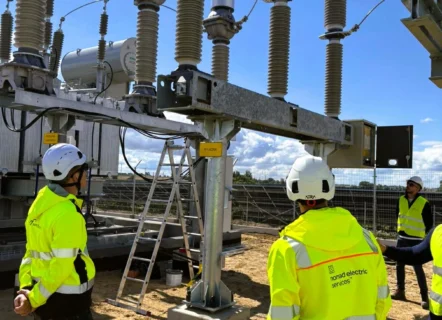
Nomad Electric is delivering the Jedwabno facility under an EPC contract. The scope covers the complete energy storage infrastructure, a 110 kV main receiving substation (GPO), and a high-voltage cable line connecting to the Toruń Elana main substation. Construction is scheduled for completion by the end of 2026.
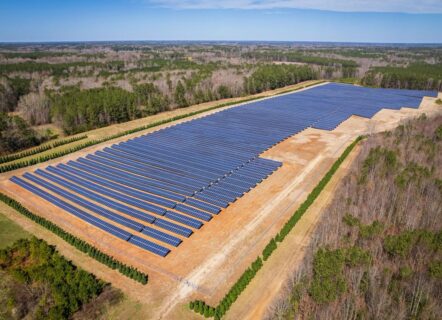
This project builds directly on the company’s track record in utility-scale storage. In December 2025, Nomad Electric successfully grid-connected its first hybrid PV-BESS plant. That installation operates under the control of its proprietary SCADA Nomad NX platform, featuring integrated Energy Management System (EMS) and Power Plant Controller (PPC) modules. Having passed Site Acceptance Testing (SAT) and implemented cybersecurity protections certified to ISO/IEC 27001 (IT) and IEC 62443 (OT) standards, the system is fully equipped to integrate with power markets and Virtual Power Plant (VPP) platforms. Operational data from these initial months is now being used to fine-tune configurations for upcoming facilities like Jedwabno. Ongoing 24/7 O&M services, as well as automation and SCADA NX supervision, are managed by Nomad Electric Services.
Under current regulations, any energy storage facility exceeding 10 MW and 40 MWh is classified as a Significant Grid User (SGU). This status introduces additional technical and compliance requirements that must be addressed from the earliest design phases. To ensure full alignment, Nomad Electric’s engineering team engages directly with transmission system operator PSE right at project kickoff.
“Following the expansion of solar power, large-scale energy storage will now define how Poland’s power grid operates for decades to come,” says Wojciech Hejduk, Head of BESS Engineering at Nomad Electric. “This market is still young and regulatory requirements are actively taking shape, meaning only experienced renewable energy contractors can guarantee smooth project execution. Investors are looking for a single contractor who can handle both construction and long-term asset management under one timeline. As a Polish engineering company with top-tier talent and over 1 GW of completed renewable assets, we know the local market and regulatory landscape inside out.”
Funding is secured, but timelines remain tight
Poland has contracted 3,9 GW / 14,5 GWh of battery energy storage capacity to be online before the end of 2028. The government support program, titled “Electricity energy storage facilities and related infrastructure for improving the stability of the Polish power grid,” awarded funding to 172 battery projects with a total value of PLN 4,15 billion. However, recent market reports emphasize that financial capital alone will not guarantee success. Instead, the outcome depends on who can build, connect, and profitably operate these assets over time.
Market dynamics have shifted significantly. The capacity market is no longer a guaranteed revenue stream, as availability payments for storage dropped substantially in the auction for delivery year 2030. Consequently, installations must rely heavily on active energy trading, making a robust Energy Management System essential for commercial viability.
At the same time, grid connection standards have tightened. Updated NC RfG requirements in effect since December 2025 have raised technical entry barriers, making the Final Operational Notification (FON) process far more demanding. Even minor documentation revisions can result in a 30-day wait for grid operator feedback. Contractors without proven experience risk months of delay due to re-submissions, which government program schedules do not accommodate. The 172 contracted projects face a firm completion deadline at the end of 2028.
Across Europe, total installed energy storage capacity is projected to pass 100 GW by 2030. However, achieving this milestone will depend on regulatory reforms, streamlined grid connection procedures, grid modernization, and the availability of specialized turnkey contractors.
read next

Never Stop
