


What is an MV substation and where is it located in the power system?
A medium-voltage substation is an electrical facility used for transforming and distributing electricity at medium-voltage levels, typically 6, 10, 15, 20, or 30 kV. Within the structure of the power system, it serves as an intermediate link between the high-voltage (HV) network, which transmits electricity over long distances, and the low-voltage (LV) network supplying end users.
Electricity generated in power plants is transmitted via high-voltage lines to substations, where voltage is gradually reduced to medium levels. Then, in MV/LV substations, further transformation takes place down to 230/400 V, which is used in households and most commercial facilities. The MV substation therefore acts as both a technical and organizational distribution node.
From a legal perspective, MV substations are part of the distribution network and are supervised by distribution system operators. Their design, construction, and operation must comply with applicable technical standards as well as construction and fire safety regulations. Their location also requires compliance with spatial planning regulations and maintaining appropriate distances from other structures.
What components make up an MV substation?
The core component of an MV substation is the transformer, which is responsible for changing the voltage level. Depending on the substation’s purpose, these may be oil-filled or dry-type transformers with varying rated power. Their selection must consider expected load, environmental conditions, and fire safety requirements. Another key component is the medium- and low-voltage switchgear. MV switchgear enables switching, protection, and control of medium-voltage circuits, while LV switchgear distributes electricity to individual consumer circuits. These include, among others:
- circuit breakers,
- load break switches,
- fuses,
- disconnectors,
- overcurrent and short-circuit protection systems.
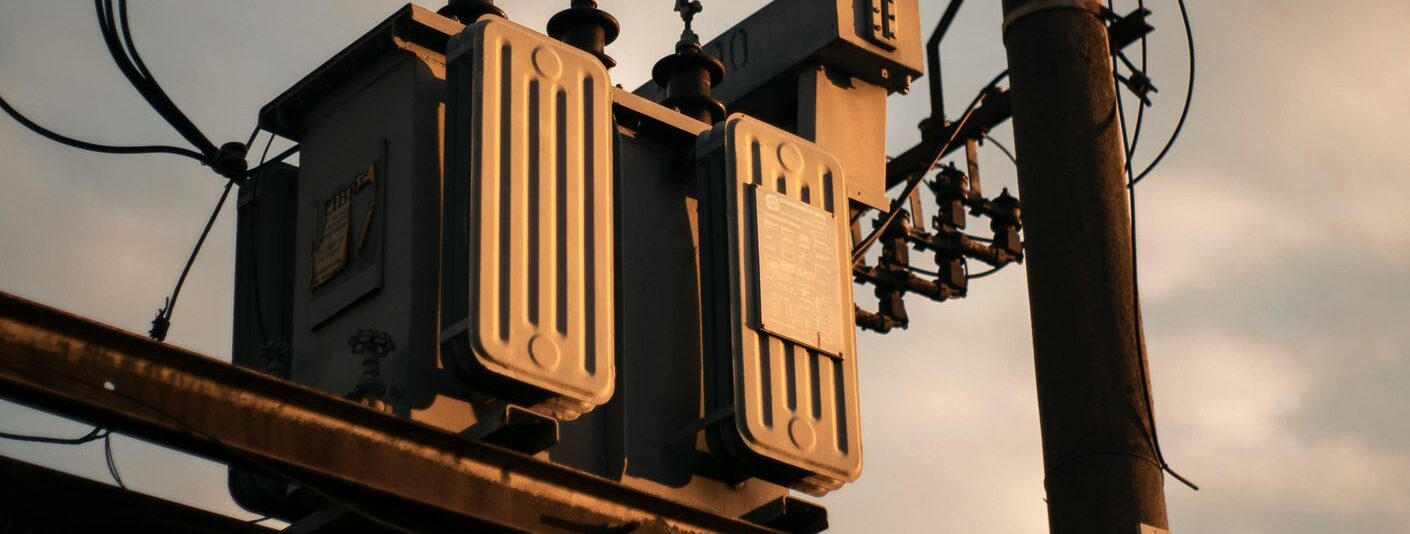
MV substations are also equipped with metering systems and protection systems that monitor operating parameters such as voltage, current, and temperature. Increasingly, automated control and remote monitoring systems are used, enabling rapid response to disturbances. Depending on design, substations can be indoor (integrated into buildings or standalone), containerized, or overhead (pole-mounted). The choice depends on local conditions, required capacity, and the requirements of the investor and the distribution system operator.
What functions does an MV substation perform?
- The primary function of an MV substation is voltage transformation and distribution of electricity to end users. This process must ensure continuity of supply and maintain quality parameters in line with applicable standards.
- The substation also performs a protective function. Installed protection systems safeguard the network against overloads, short circuits, and other fault conditions. When irregularities are detected, devices automatically disconnect the affected section of the network, limiting the scope and impact of failures.
- Another important role is monitoring operating parameters and maintaining local grid stability. Proper configuration of supply systems allows for power redundancy and reduces the risk of supply interruptions.
What does the operation and maintenance of an MV substation look like?
The operation of MV substations is subject to strict technical and legal requirements. Their design and construction must comply with construction law, energy law, and relevant implementing regulations and technical standards for installations above 1 kV. Particularly important are standards such as PN-EN 62271 and PN-EN IEC 61936-1, which define requirements for switchgear, transformer substations, and safe operation.
In practice, maintenance includes regular technical inspections, electrical measurements, insulation condition checks, verification of protection against electric shock, and testing of protection systems. These activities must be carried out by qualified personnel with appropriate certifications. Neglect in this area can lead not only to failures but also to civil or administrative liability for the facility owner.
Modernization is also an important aspect. With increasing energy demand or changes in consumption profiles, it may be necessary to increase transformer capacity, replace switchgear, or adapt protection systems to current standards. Each such intervention should be preceded by technical analysis and agreed with the distribution system operator.
Professional technical maintenance directly affects user safety and the reliability of energy supply. An MV substation is a high-risk facility. Improper operation may result in fire, electric shock, or major grid failure. Therefore, maintaining proper operational documentation and adhering to distribution network operation and maintenance instructions is essential.
An MV substation is a strategic element of the power system, responsible for voltage transformation, grid safety, and continuity of energy supply. Its design, construction, and operation require strict compliance with legal regulations and technical standards, as well as ongoing supervision by specialists.
If you are planning the construction, expansion, or modernization of an MV substation, it is worth consulting Nomad Grid experts who specialize in comprehensive design, implementation, and optimization of medium-voltage infrastructure in line with current technical and legal requirements.
Frequently asked questions (FAQ)
1. What is an MV substation?
A medium-voltage (MV) substation is an electrical facility used to transform and distribute electricity at medium voltage levels, typically from 6 to 30 kV. It serves as an intermediate link between the high-voltage network and the low-voltage network that supplies end users such as households and commercial buildings.
2. What function does an MV substation perform in the power system?
Its main role is to step down voltage and distribute electricity to downstream parts of the network. It also protects infrastructure through protection systems and monitors operating parameters, helping maintain stability and continuity of supply.
3. What components make up an MV substation?
The core element is the transformer, which changes the voltage level. In addition, the substation includes medium- and low-voltage switchgear equipped with devices such as circuit breakers, fuses, and protection systems. Metering and protection systems also play a key role in controlling the operation of the entire installation.
4. What types of MV substations are there?
Depending on the design, substations can be indoor, containerized, or overhead (e.g., pole-mounted). The choice depends on local conditions, required capacity, and technical and investor requirements.
5. What regulations govern the design and operation of MV substations?
MV substations are subject to construction and energy law regulations, as well as relevant technical standards such as PN-EN 62271 and PN-EN IEC 61936-1. Their location and construction must also comply with spatial planning and fire safety regulations.
6. What does operation and maintenance of an MV substation involve?
It includes regular technical inspections, electrical measurements, verification of protection systems, and assessment of equipment condition. These activities must be carried out by qualified personnel, as neglect can lead to failures, safety risks, and legal liability for the owner.
read next
Never Stop
