


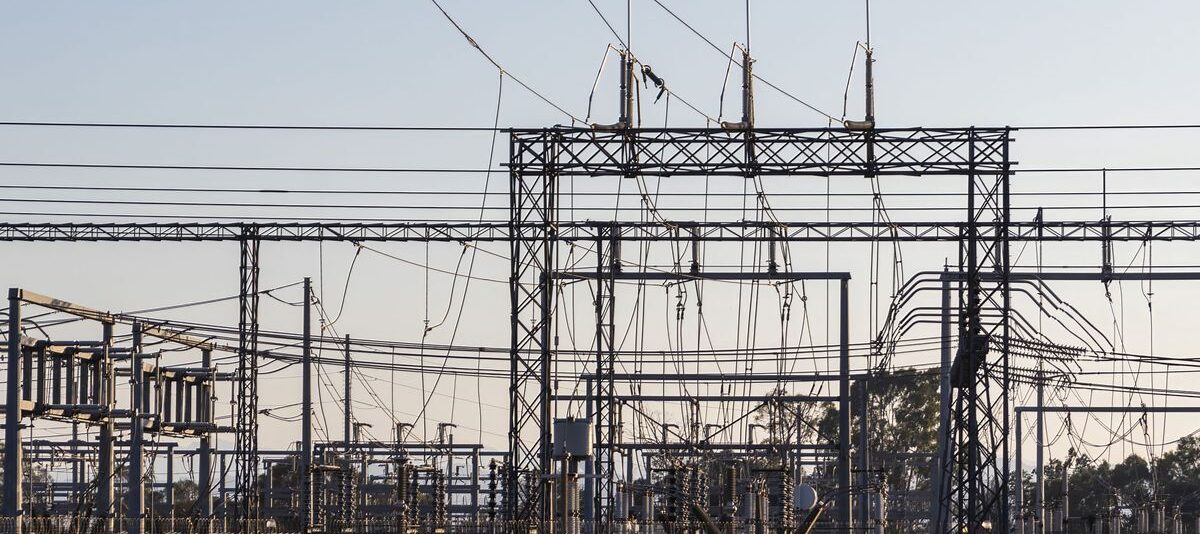
Why do grid constraints make new connections more difficult?
One of the main problems is the limited capacity of existing lines, power substations, and transformers. Each of these elements was designed to operate under specific conditions and has its own technical limits. Connecting another consumer or energy source may require an assessment of whether the infrastructure can safely handle the additional power. If the available capacity has already been used, the operator may indicate the need to expand the grid or specify restricted connection conditions.
The problem is exacerbated by growing electricity demand and the rapid development of new generation sources and loads. Industrial plants, data centers, electric vehicle charging infrastructure, and heating systems using electricity are consuming increasing amounts of energy. At the same time, photovoltaic installations and other distributed energy sources are being connected to the grid. The issue is not limited to the amount of energy consumed or generated over the course of a year. Instantaneous power values and their variability are particularly important for grid operation.
Constraints may result from infrastructure overloads, but also from voltage conditions and the way the entire system operates. An investor planning a new installation may therefore encounter a situation in which high power is theoretically needed only for a limited time, but the available connection conditions do not allow power to be drawn from or fed into the grid at that level. This directly affects the investment schedule, its costs, and the choice of technology. In such cases, it is worth analyzing whether a properly designed energy storage system can change the installation’s operating profile and reduce grid loading during the most demanding periods.
How can an energy storage system increase grid connection capacity?
An energy storage system can change the way an installation uses its available grid connection capacity. During periods of low load, a BESS can draw energy and charge its storage capacity, while during periods of increased demand, it supplies some of that energy directly to the loads. As a result, the power drawn from the grid can remain within the level specified by the connection conditions, even when the installation’s actual demand temporarily exceeds it.
A similar situation occurs with energy-generating installations. When generation temporarily exceeds the capacity available for feeding energy into the grid, the storage system can absorb the surplus and store it for later use. This makes it possible to limit the power fed into the grid during periods of peak generation.
This solution primarily makes it possible to reduce power peaks at the connection point. For power infrastructure, the amount of energy transmitted over a given period matters, but so does the maximum power occurring at specific moments. An energy storage system can therefore act as a buffer that absorbs part of the load or generation surplus. This may enable more efficient use of the existing connection without immediately having to increase its parameters.
Proper control of the storage system is essential for effective operation. The system should respond to the current power flow at the connection point and initiate charging or discharging in accordance with the adopted strategy. For example, once a specified level of power consumption is reached, the storage system can automatically begin discharging to prevent the established limit from being exceeded. In the event of excess generation, it can begin charging, thereby limiting the energy fed into the grid.
A BESS can therefore be an element that increases the flexibility of existing infrastructure, especially when the problem results from short-term demand or generation peaks. However, this does not mean that every storage system will automatically increase the grid connection capacity of a given installation. Actual technical constraints, connection conditions, and the parameters of the energy storage system must be taken into account.
What is the importance of BESS control and integration with the grid?
Selecting the appropriate power rating and capacity of an energy storage system does not, on its own, determine the effectiveness of the entire solution. The control system is equally important, as it monitors installation operating parameters and responds to changing conditions. Continuous monitoring of power flows at the connection point makes it possible to determine when the storage system should draw energy and when it should supply it. This allows its operation to be aligned with a specific objective, such as keeping the power drawn from the grid below a predetermined level.
In more advanced solutions, a BESS is integrated with energy management systems (EMS), SCADA systems, and the other power infrastructure at the facility. This makes it possible to take into account current power values as well as forecasts of demand, energy generation, and other parameters relevant to the installation’s operation. Automation is particularly important where load changes occur rapidly and manual management of the storage system would be insufficient.
The system parameters must also match the specific operating profile. The power rating of the storage system determines how quickly it can draw or supply energy, while its capacity determines how long it can perform a given function. A storage system with a high power rating but low capacity may effectively reduce short peaks, but may not be suitable for periods of increased demand lasting several hours. Conversely, a large capacity without sufficient power may prevent the system from responding quickly enough to changes in load. Therefore, BESS design should include a technical analysis of the connection point, the consumption and generation profiles, and the adopted control strategy. Only by combining these elements is it possible to assess whether the storage system will genuinely support the use of available grid connection capacity and to what extent.
When is an energy storage system an effective solution to connection problems?
The use of an energy storage system should be preceded by an analysis of the actual energy demand profile and, in the case of generation sources, the generation profile. It is important to determine whether the constraint at the connection point occurs continuously or only during specific hours and periods. If the problem involves short-term peaks in power consumption or export, a BESS can absorb part of the load and reduce the demands placed on the grid. The situation is different when available power is insufficient for most of the time. In such cases, the storage system alone may not be a sufficient solution.
The constraints at the specific connection point must also be assessed carefully. The available power and connection parameters are important, as are the operating conditions of the local infrastructure and the requirements of the power system operator. The analysis should take into account the operation of the entire installation, including loads, energy sources, and other equipment that may affect instantaneous power flows.
Based on these data, the power rating and capacity of the BESS can be selected and an appropriate control strategy developed. In many cases, modeling the storage system’s operation under different load scenarios is useful. This makes it possible to check whether the system will have sufficient stored energy during periods of peak demand and whether it will be able to respond quickly enough to changes. Proper integration with the existing power infrastructure and energy management systems is equally important.
An energy storage system is therefore particularly useful where effective management of the power profile can reduce the impact of existing grid connection constraints. However, every investment requires an individual assessment. Incorrect parameter selection or an inappropriate control strategy may limit the benefits of using a BESS and worsen the economics of the entire project.
Energy storage systems can increase the flexibility of installations and enable more efficient use of existing grid connection capacity by reducing instantaneous peaks in power consumption or export. However, BESS effectiveness depends not only on its power rating and capacity, but also on the control strategy and integration with the grid and other infrastructure. Before making a decision, it is necessary to analyze the load profile, the constraints at the connection point, and the actual operating conditions of the installation.
Nomad Electric Services supports investors in the design and implementation of energy storage systems, helping them select solutions suited to connection conditions and the way their installations operate.
read next
Never Stop
