


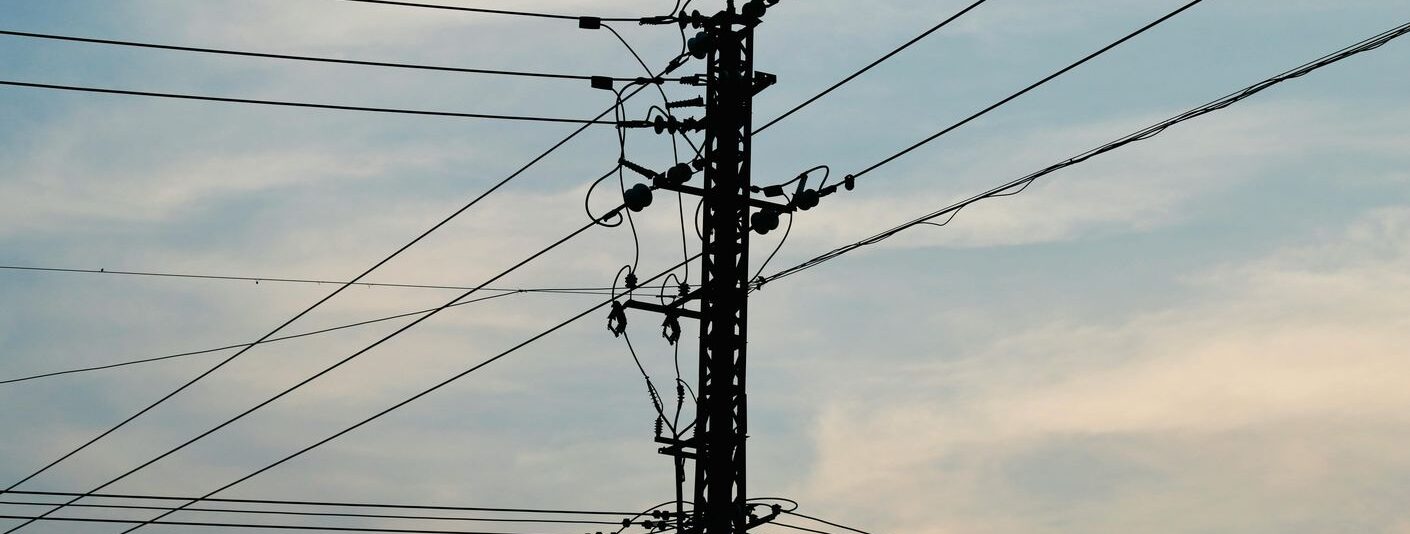
Characteristics of a cable network and its role in the power system
A cable network is a part of the power system in which electricity transmission or distribution is carried out using power cables laid underground, in cable ducts, or on supporting structures. Its design enables power supply to be routed in a way adapted to the environment, without the need for traditional overhead lines. This type of network reduces the impact of infrastructure on public space and improves the visual quality of the area.
The main components of a cable network include single or multi core cables, straight and branch joints, cable terminations, connectors, protective conduits, marking elements such as warning foils and identification tapes, as well as installation accessories and mechanical protection. Increasingly, systems enabling remote monitoring of cable operating parameters are also used, such as temperature measurement or fault location systems.
The advantages of cable networks include resistance to weather conditions such as strong winds, snow, and icing, increased durability, and reduced maintenance needs compared to overhead networks. They also do not require wide technical corridors, which simplifies investment processes in densely built up areas.
Investment preparation and formal requirements
The implementation process begins with developing a technical concept and conducting the necessary spatial and environmental analyses. Depending on location and project scale, it may be necessary to obtain zoning decisions, environmental permits, or public purpose location decisions. It is also required to demonstrate the right to use the property for construction purposes, either based on a legal title or an administrative decision.
Design documentation must be based on an up to date map for design purposes registered in the geodetic database. The design should include the network route, selected construction technology, technical parameters, and potential conflicts with existing infrastructure. An important part of the preparation stage is geotechnical investigation, which determines soil conditions, groundwater levels, and optimal installation methods.
The network design must be coordinated with operators of other utilities such as water, sewage, gas, and telecommunications within coordination meetings conducted by local authorities. These arrangements are essential to ensure safety, avoid conflicts, and guarantee long term operational reliability.
Depending on technical parameters, the project may be carried out based on a construction notification or a building permit. Regardless of the procedure, it is necessary to attach required statements, designs, approvals, and other documents resulting from construction law and specific regulations.
Stages of cable network construction
The first step is setting out the network route in the field based on the approved design and with the participation of a licensed surveyor. For underground networks, trenches are prepared in accordance with technical documentation, taking into account required depth and corridor width. A sand bedding layer is placed at the bottom, along with protective elements if needed.
Cables are installed while maintaining proper bending radii, phase spacing, and routing methods compliant with applicable standards. After installation, accessories enabling section connections and links to receiving equipment are mounted. When cables are installed in ducts or on supporting structures, appropriate mounting and marking systems are used.
For ground installations, warning and identification tapes are placed above the cables before backfilling. After surface restoration such as asphalt, paving blocks, or slabs, operational tests are carried out. These include insulation resistance measurements, voltage tests, continuity tests, and fault location checks. Measurement documentation forms the basis for technical acceptance.
The final stage includes geodetic measurements and submission of as built documentation to the relevant authority. On this basis, the network can be formally handed over for operation to a distribution system operator or installation owner.
Technologies and challenges in cable project implementation
Modern technologies enable cable networks to be built quickly and with minimal disruption. Horizontal directional drilling is increasingly used, allowing cables to be routed under terrain obstacles without open trenching. This solution minimizes interference with existing infrastructure and shortens project timelines.
In difficult soil conditions or where groundwater levels are high, additional protection is required, such as drainage systems, protective conduits, anti corrosion coatings, or specialized bedding materials. Cable networks are also increasingly equipped with diagnostic and monitoring components such as sensors measuring temperature, humidity, and overloads, enabling failure prediction and optimized network management.
Cable network projects involve many challenges, from conflicts with undocumented infrastructure and design errors to difficult terrain and limited site access. This is why ongoing cooperation between designer, contractor, and investor is essential, along with efficient communication with utility operators and public authorities.
Cable networks provide a flexible and safe solution within power infrastructure, allowing routing adapted to technical and spatial conditions. Their construction requires thorough formal preparation, proper design, and compliant execution. A well planned and correctly implemented investment ensures long term durability and operational safety regardless of the chosen cable installation technology.
Nomad Grid supports investors in the comprehensive delivery of cable networks, from design and approvals through construction to commissioning. Experience and specialized expertise ensure efficient project execution and compliance with technical requirements.
Frequently asked questions (FAQ)
1. What is a cable network and what role does it play in the power system?
A cable network is a part of power infrastructure in which electricity transmission or distribution is carried out using cables installed underground, in technical ducts, or on supporting structures. It enables supplying consumers in a way adapted to spatial and technical conditions, without the need to use overhead lines.
2. What are the main advantages of cable networks?
Cable networks allow power infrastructure to be deployed in a way better suited to terrain and spatial conditions. They limit interference with the surroundings and support more orderly and visually consistent land development.
3. What components make up a cable network?
The main components include power cables, joints, cable terminations, connectors, protective conduits, marking elements, and installation accessories. Increasingly, systems for monitoring cable operating parameters are also used.
4. What formal requirements must be met before starting the construction of a cable network?
The investment requires preparation of design documentation, obtaining the necessary administrative decisions, and demonstrating the legal right to use the property. The design must be coordinated with operators of other networks and prepared on an up-to-date map for design purposes.
5. Does building a cable network always require a construction permit?
Not always. Depending on the technical parameters and scope of the project, works may be carried out based on a construction notification or a construction permit, in accordance with construction law regulations.
6. What are the main stages of cable network construction?
The process includes route marking in the field, excavation or drilling works, laying cables with accessories, securing the installation, restoring surfaces, and carrying out technical tests and measurements.
7. What challenges most often occur during cable network projects?
The most common include conflicts with existing infrastructure, difficult ground conditions, high groundwater levels, and limited access to the construction site. Addressing these issues requires solid design preparation and close cooperation between the investor, designer, and contractor.
read next
Never Stop
